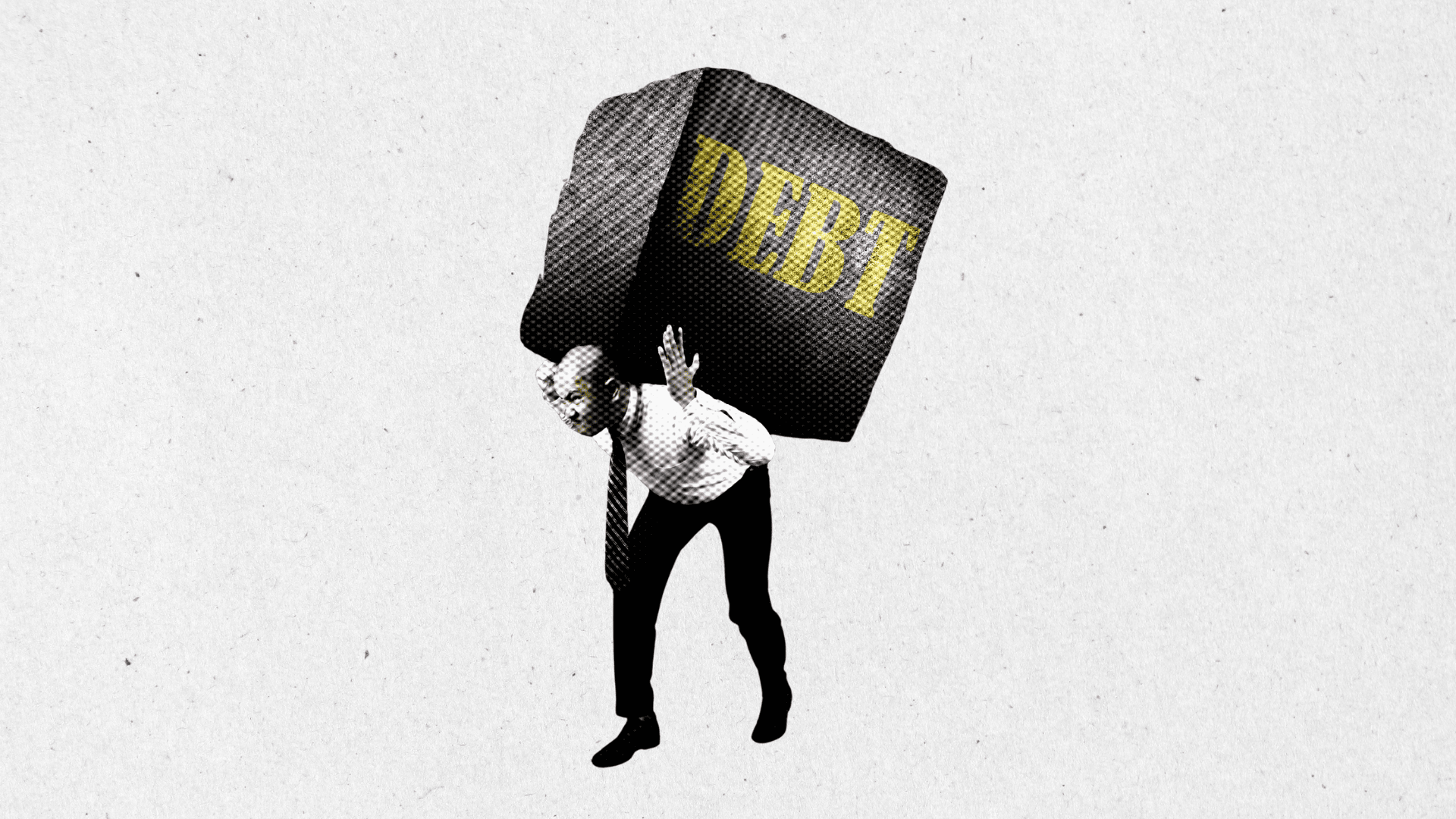
The Invisible Tax
Every shortcut taken during implementation, every quick fix that never got properly resolved, every customization built without documentation—that's technical debt. And like financial debt, it accumulates interest over time.
You might not see technical debt in a report, but you feel it: slow system performance, mysterious errors, changes that break unrelated things, consultants who spend hours understanding what exists before they can make improvements.
The key distinction: technical debt isn't the same as customization. Well-built customizations are assets that make your system more valuable. Poorly-built ones are liabilities that drain efficiency. The problem isn't that you customized—it's how you customized.
How Technical Debt Accumulates
Implementation Shortcuts
Go-live deadlines create pressure to cut corners. The project is behind schedule, budget is tight, stakeholders are impatient. "We'll fix it later" becomes the mantra.
Common implementation shortcuts that become debt:
Data migration that brings over dirty data without cleanup
Scripts written quickly without error handling or documentation
Configuration compromises that create workarounds
Training gaps that leave users fumbling
Testing shortcuts that miss edge cases
"Later" rarely comes. The shortcuts become permanent, and the next project inherits the mess.
Undocumented Customizations
Scripts that work but nobody understands. Workflows that were built three administrators ago. Saved searches that reference fields nobody remembers creating.
The problem isn't the customization itself—it's that nobody wrote down what it does, why it exists, or how it works. When the original developer leaves, the knowledge leaves with them.
Undocumented customizations are like unmarked pipes in an old building. Everything works until you need to make a change, and then you're guessing about what connects to what.
Quick Fixes That Stick
Something breaks on a Friday afternoon. Someone writes a script to patch the symptom rather than fix the root cause. It works, so it ships. Months later, you're still maintaining that patch—and probably other patches built on top of it.
Patches breed patches. The original quick fix becomes load-bearing, so you can't remove it. New quick fixes work around its limitations. The system becomes a house of cards.
Accumulated Cruft
Custom fields nobody uses anymore. Scripts that were disabled but never deleted. Workflows for processes that changed years ago. Saved searches created for one-time needs.
Each unused artifact is clutter. Collectively, they slow the system, confuse users, and make maintenance harder. Nobody removes them because nobody's sure what's safe to remove.
Configuration Drift
The initial configuration made sense. Then small changes accumulated—a field added here, a role modified there, a workflow adjusted for an exception case. Each change was reasonable. Together, they've drifted far from any coherent design.
Configuration drift makes troubleshooting difficult because the current state doesn't match any documented design. It makes upgrades risky because interactions between components are unknown.
The Real Cost of Technical Debt
Performance Degradation
Every script that fires, every workflow that evaluates, every custom field that loads—it all adds up. Poorly-written code makes it worse with inefficient queries, unnecessary API calls, and redundant processing.
Users experience this as slowness. Pages take too long to load. Saves take too long to process. Reports time out. The system that was snappy at go-live becomes sluggish as debt accumulates.
Change Risk
When you don't know what exists or why, every modification risks breaking something. Dependencies are hidden. Side effects are unpredictable. Changes that should be simple become projects requiring extensive investigation.
The result: the system fossilizes. Changes are avoided because they're too risky. Improvements that would add value don't happen because nobody wants to touch the fragile system.
Knowledge Dependency
The fewer people who understand the system, the more vulnerable you are. When only one person knows how things work, their absence—planned or unplanned—creates risk.
Undocumented systems create key-person dependencies. That person can't take vacation without worry, can't change jobs without crisis, can't grow in their role because they're chained to maintenance.
Consultant Overhead
Every new partner, every new consultant, every new administrator spends weeks understanding your environment before they can help. You're paying for discovery that proper documentation would have prevented.
Well-documented systems enable fast onboarding. Debt-laden systems require archaeology before productivity.
Opportunity Cost
Time spent maintaining bad customizations is time not spent building good ones. Energy spent troubleshooting debt is energy not spent improving operations. Technical debt steals resources from value-creating activities.
Paying Down the Debt
Audit What Exists
You can't fix what you don't understand. Start with a comprehensive inventory of every script, workflow, custom record, and saved search. Identify what's active, what's orphaned, and what's unknown.
The audit should categorize customizations:
Active and documented: Keep and maintain
Active but undocumented: Document or evaluate for retirement
Unknown status: Investigate to determine if needed
Confirmed unused: Remove
Document as You Discover
Every time someone figures out why something works the way it does, write it down. Build documentation incrementally rather than as a massive separate project.
Documentation doesn't have to be elaborate. A simple explanation of purpose, inputs, outputs, and dependencies is sufficient. Perfect documentation that never gets created is less valuable than adequate documentation that exists.
Retire the Unused
Delete what's not needed. Disable what's questionable. Reduce the surface area of things that can break. Fewer components mean simpler maintenance and fewer unexpected interactions.
Retirement is often the highest-value debt reduction activity. You don't have to maintain what doesn't exist.
Refactor, Don't Just Fix
When you touch problematic code, make it good code. Don't just patch the immediate problem—improve the underlying implementation.
This approach requires slightly more time for each fix but reduces future maintenance. Over time, the system improves naturally through routine work.
Establish Standards Going Forward
Prevent new debt from accumulating. Code reviews, documentation requirements, testing standards, deployment processes—make it harder to create debt than to avoid it.
Standards should be achievable and enforced. Aspirational standards that nobody follows don't prevent debt.
Good Customization vs. Bad Customization
The solution to technical debt isn't avoiding customization—it's doing customization well.
Good Customization:
Documented purpose and design
Clean, maintainable code
Proper error handling
Performance-conscious implementation
Tested before deployment
Integrated with existing architecture
Bad Customization:
No documentation
Unclear or convoluted code
Silent failures or cryptic errors
Performance problems under load
Untested or minimally tested
Disconnected from system architecture
The difference is craftsmanship. Good customization requires more upfront investment but creates long-term value. Bad customization is quick but creates long-term cost.
Bottom Line
Technical debt isn't caused by customization—it's caused by careless customization. The solution isn't to avoid building solutions; it's to build them properly.
The companies that operate efficiently treat their NetSuite environment as an asset worth maintaining. They invest in quality customization, document what they build, and continuously improve their system.
Pay down the debt you've accumulated. Prevent new debt from forming. And when you build, build well. Your future self—and everyone who works in the system—will thank you.